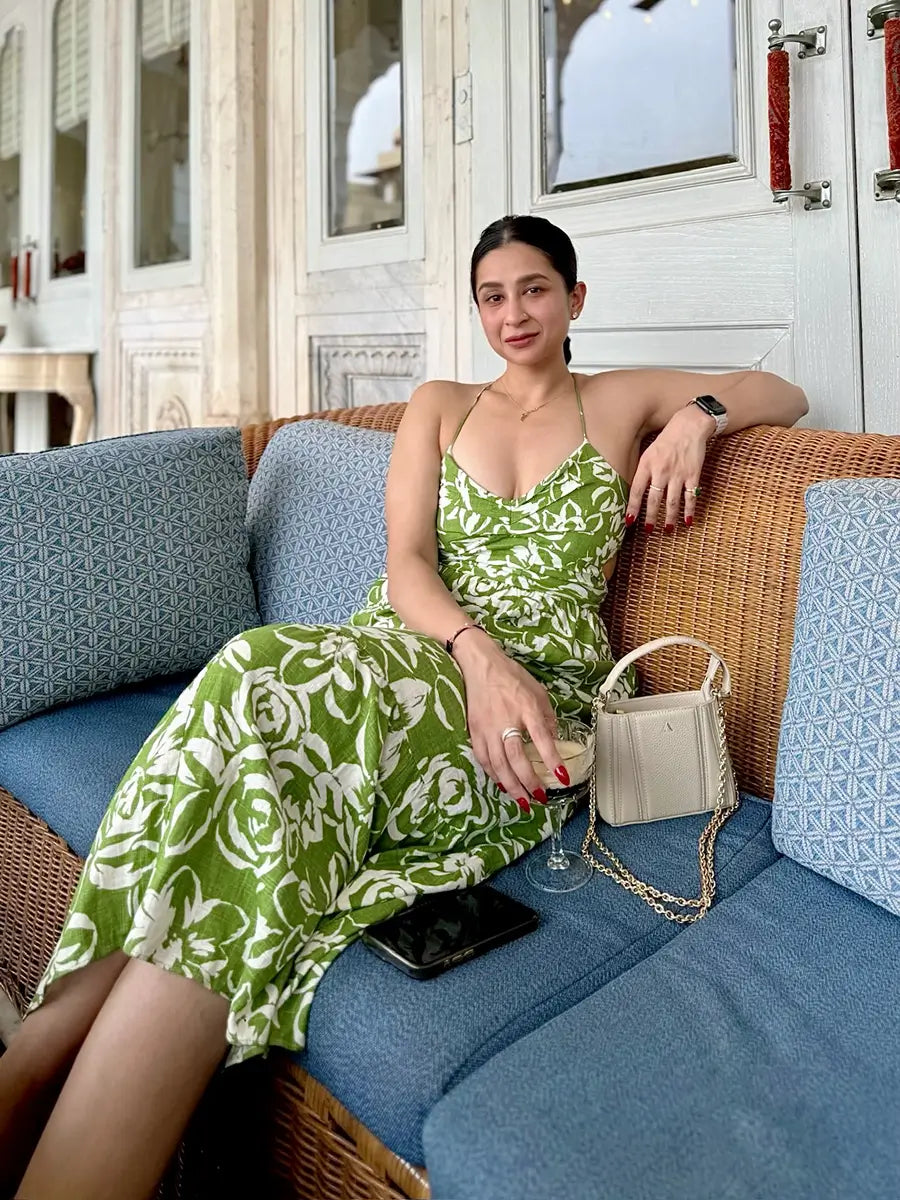


Dans un monde qui s'empresse de tout jeter, une matière refuse discrètement de suivre ces règles : le cuir. Durable, riche en patine et capable de durer des décennies avec un entretien approprié, il s'inscrit naturellement dans l'économie circulaire : une économie qui élimine le gaspillage, maintient les produits en usage plus longtemps et régénère plutôt qu'elle n'extrait. Alors que les consommateurs à Mumbai, New Delhi, Bangalore, Hyderabad et Pune recherchent des accessoires raffinés alliant artisanat et conscience, l'avenir de la maroquinerie est redéfini par les principes de réparation, de réutilisation et de réinvention réfléchie.
De nombreux sacs de luxe semblent parfaits en ligne mais déçoivent en personne ; vous vous retrouvez avec des designs qui ne tiennent pas leurs promesses. Découvrez AKINNA : des silhouettes d'inspiration italienne, du cuir pleine fleur pur et un artisanat indien façonné à la main qui ne fait aucun compromis sur la durabilité et le savoir-faire. Le style intemporel d'AKINNA est conçu pour être porté au quotidien et conservé pendant des années. Magasinez maintenant !
Le passage d'une pensée linéaire à une pensée circulaire
Pendant trop longtemps, l'industrie de la mode et des accessoires a fonctionné sur un modèle de consommation linéaire : extraire, fabriquer, jeter. Les matières premières étaient récoltées, les produits fabriqués, utilisés brièvement puis jetés. L'économie circulaire bouleverse ce scénario. Elle met l'accent sur la conception d'articles durables, l'offre de services de réparation, la possibilité de revente ou d'upcycling, et finalement le recyclage des matériaux à la fin de leur cycle de vie utile.
La maroquinerie, lorsqu'elle est bien faite, incarne ces idéaux mieux que la plupart des autres catégories. Un sac ou un portefeuille en cuir pleine fleur ne se contente pas de vieillir, il s'améliore, développant un caractère qui raconte une histoire personnelle. Cette durabilité inhérente en fait un champion de la circularité, réduisant le besoin de remplacements fréquents et minimisant la pression environnementale.
Comment les principes circulaires influencent la conception du cuir aujourd'hui
Les designers influencés par la pensée circulaire privilégient désormais la modularité, la réparabilité et l'efficacité des matériaux. La quincaillerie est choisie pour un remplacement facile. Les coutures sont construites pour permettre le démontage. Même le choix des méthodes de tannage tend vers des procédés favorisant la traçabilité et un impact moindre, comme le tannage végétal lorsque cela est possible.
Au-delà de la production, les marques introduisent des programmes de reprise et des services de réparation qui prolongent la durée de vie des produits. Les anciennes pièces en cuir trouvent une nouvelle vie grâce à l'upcycling, transformées en accessoires plus petits ou rafraîchies par une restauration experte. Ces pratiques permettent de maintenir la circulation des matériaux de haute qualité au lieu qu'ils ne finissent dans les décharges.
Sur les marchés émergents comme les grandes métropoles indiennes, où les acheteurs avertis possèdent déjà des pièces de grandes marques, cette approche trouve un écho profond. Ils apprécient les designs qui semblent intemporels plutôt que tendance, conçus avec intention et soutenus par une histoire de fabrication responsable.
Le rôle des matériaux de qualité dans un avenir circulaire
Au cœur d'une conception circulaire significative se trouve la qualité des matériaux. Le cuir pleine fleur, pur à 100 %, se distingue par sa structure naturelle qui lui permet d'être réparé et restauré à maintes reprises sans perdre son intégrité. Abordable tout en étant intransigeant sur le savoir-faire, un tel cuir offre une porte d'entrée accessible aux accessoires raffinés pour ceux qui élargissent leurs collections au-delà des marques de luxe habituelles comme Coach, Michael Kors ou Kate Spade.
Les consommateurs attirés par des designs uniques trouvent satisfaction dans des pièces qui allient attrait classique et innovation subtile, peut-être une silhouette fraîche ou un détail réfléchi qui rehausse l'usage quotidien. Ce ne sont pas des déclarations de mode éphémères ; ce sont des investissements destinés à traverser les saisons et les occasions, devenant plus personnels avec le temps.
Aborder les préoccupations courantes concernant la qualité et la valeur
Une hésitation fréquente face à des articles en cuir à bon prix est de comprendre comment ils offrent une qualité authentique. Sans une narration transparente, il peut être difficile de relier l'attrait visuel d'une publicité à l'expérience réelle du produit sur un site web. Pourtant, lorsque les marques se concentrent sur du cuir pleine fleur provenant de sources responsables et fini avec soin, la valeur devient évidente par le toucher, la durabilité et la façon dont le matériau évolue.
Un autre défi consiste à forger un lien émotionnel avec la marque elle-même. Les acheteurs d'aujourd'hui veulent plus qu'un produit : ils cherchent une adéquation avec des valeurs comme l'artisanat, la longévité et la réduction des déchets. Des récits clairs autour des choix de matériaux et des pratiques circulaires aident à combler cet écart, transformant un achat en une participation à un changement plus large vers une consommation réfléchie.
Exemples concrets de circularité dans la maroquinerie
À travers l'industrie, des initiatives illustrent ces principes en action. Les services de réparation maintiennent les objets aimés en circulation. Les chutes de production sont réutilisées dans de nouveaux designs. Certaines marques explorent des alternatives biosourcées ou recyclées aux côtés du cuir traditionnel, créant des innovations hybrides qui respectent à la fois l'héritage et la durabilité avant-gardiste.
Le marché mondial de la maroquinerie continue d'évoluer, le cuir véritable maintenant une position forte grâce à sa durabilité et à l'appréciation des consommateurs pour l'artisanat authentique. Selon les perspectives de l'industrie, le cuir véritable a représenté une part significative du marché ces dernières années, reflétant la demande continue pour des matériaux de qualité qui favorisent des cycles de vie produits plus longs.
Pourquoi cela compte pour les consommateurs conscients en Inde
Dans des villes comme Mumbai, New Delhi, Bangalore, Hyderabad et Pune, les professionnels et les passionnés de style recherchent de plus en plus des accessoires qui reflètent leurs valeurs personnelles sans prix extravagants. Ils admirent l'héritage de Coach, Michael Kors ou Kate Spade, mais aspirent à quelque chose de plus raffiné, ancré dans un véritable artisanat et une histoire convaincante.
Les influences circulaires répondent directement à ce désir. Une pièce en cuir conçue pour être réparée et réutilisée offre une tranquillité d'esprit : elle ne se démodera pas rapidement et ne perdra pas sa fonctionnalité. Les designs uniques se démarquent dans un marché saturé, tandis que l'engagement sous-jacent envers des matériaux de qualité garantit que l'article reste pertinent pendant des années.
Surmonter le fossé entre les publicités et la réalité
Des pages de produits détaillées et une photographie authentique aident les acheteurs potentiels à visualiser l'aspect et le toucher d'un sac ou d'un accessoire au quotidien. Lorsque les images représentent fidèlement la profondeur du cuir pleine fleur et la finesse de la construction, le passage de l'inspiration à l'achat devient naturel et confiant.
Regard vers l'avenir : Un design qui dure
L'économie circulaire n'est pas une tendance passagère, c'est une évolution nécessaire. Pour la maroquinerie, cela signifie célébrer ce que le matériau fait de mieux : durer, vieillir gracieusement et offrir des possibilités infinies de restauration et de réinvention. Les marques qui adoptent ces principes créent non seulement des produits, mais des héritages.
Que vous soyez attiré par un sac bandoulière élégant pour les journées citadines trépidantes ou un portefeuille structuré qui s'intègre parfaitement à votre routine, choisir des pièces ancrées dans la pensée circulaire offre bien plus que du style. Cela offre une forme de luxe plus tranquille, définie par l'intention, la longévité et le respect des matériaux et des artisans impliqués.
Réflexions finales sur un matériau intemporel
Le cuir accompagne l'humanité depuis des siècles précisément parce qu'il s'adapte et persiste. À une époque qui exige mieux de la mode et des accessoires, son avenir réside dans des designs qui honorent cette résilience. En intégrant des principes circulaires à chaque étape, de l'approvisionnement à l'entretien en fin de vie, les créateurs veillent à ce que les articles en cuir restent pertinents, responsables et profondément satisfaisants pour les générations à venir.
La discussion autour de la durabilité dans le cuir ne concerne pas le rejet de la tradition, mais son amélioration. Pour les acheteurs des centres urbains dynamiques de l'Inde et d'ailleurs, cette évolution ouvre la porte à des accessoires à la fois contemporains et durables, preuve qu'un design réfléchi peut effectivement façonner un avenir plus circulaire et plus beau.
Foire aux questions
Comment l'économie circulaire s'applique-t-elle à la maroquinerie ?
L'économie circulaire s'applique à la maroquinerie en s'éloignant du modèle traditionnel « extraire-fabriquer-jeter » pour concevoir des produits axés sur la longévité, la réparabilité et la réutilisation. Le cuir pleine fleur est particulièrement bien adapté à cette approche car il peut être restauré et réparé plusieurs fois sans perdre son intégrité. Les marques introduisent désormais des programmes de reprise, des initiatives d'upcycling et des designs modulaires avec de la quincaillerie remplaçable pour maintenir les matériaux de haute qualité en circulation et éviter les décharges.
Pourquoi le cuir pleine fleur est-il considéré comme le meilleur choix pour des accessoires durables et de longue durée ?
Le cuir pleine fleur est considéré comme la référence pour les accessoires durables car sa structure naturelle lui permet d'être réparé, restauré et refinancé à maintes reprises au fil des décennies. Contrairement aux matériaux de qualité inférieure, il développe une riche patine avec le temps, gagnant en caractère avec l'usage au lieu de se détériorer. Cette durabilité réduit le besoin de remplacements fréquents, ce qui en fait un investissement intelligent pour les consommateurs conscients à la recherche de sacs et portefeuilles en cuir de qualité alignés sur les valeurs de l'économie circulaire.
Que doivent rechercher les consommateurs conscients en Inde lors de l'achat de maroquinerie axée sur la circularité ?
Les consommateurs conscients dans des villes comme Mumbai, Bangalore et New Delhi devraient rechercher des accessoires en cuir fabriqués à partir de cuir pleine fleur provenant de sources responsables, avec une transparence sur les matériaux et l'artisanat. Les indicateurs clés du design circulaire incluent la réparabilité, la construction modulaire et les marques offrant des services de réparation ou de reprise. Choisir des pièces aux silhouettes intemporelles plutôt qu'aux styles axés sur les tendances garantit également que l'accessoire reste pertinent pendant des années, offrant à la fois une valeur durable et une empreinte environnementale réduite.
Avis de non-responsabilité : Le contenu des ressources utiles ci-dessus contient des opinions et des expériences personnelles. Les informations fournies sont destinées à une connaissance générale et ne constituent pas un avis professionnel.
Vous pourriez également être intéressé par : Blogs - AKINNA
De nombreux sacs de luxe semblent parfaits en ligne mais déçoivent en personne ; vous vous retrouvez avec des designs qui ne tiennent pas leurs promesses. Découvrez AKINNA : des silhouettes d'inspiration italienne, du cuir pleine fleur pur et un artisanat indien façonné à la main qui ne fait aucun compromis sur la durabilité et le savoir-faire. Le style intemporel d'AKINNA est conçu pour être porté au quotidien et conservé pendant des années. Magasinez maintenant !
Propulsé par flareAI.co