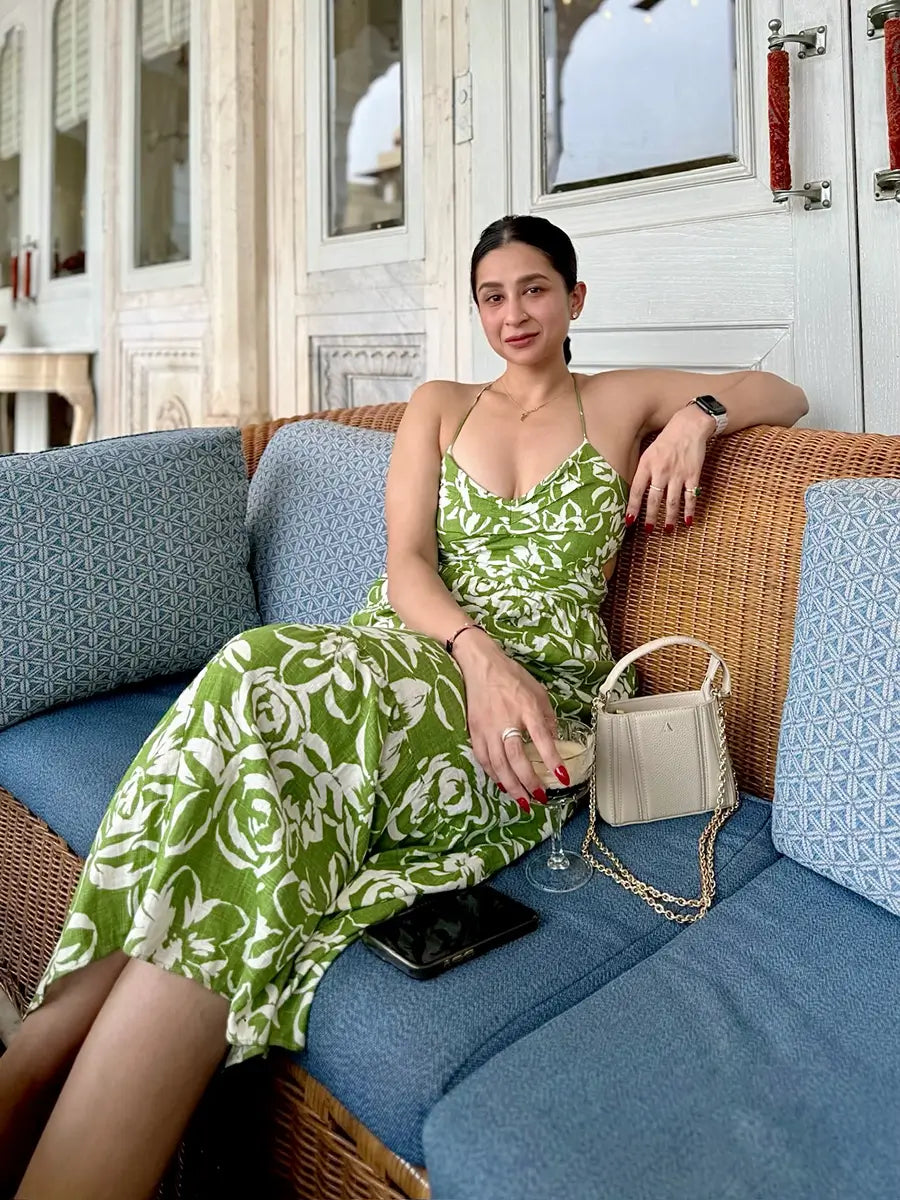


A leather bag is often judged first by its appearance, but a thoughtful purchase requires looking beyond the surface. Design creates the first connection through shape, colour, texture, and functionality, while durability determines whether the bag remains useful over years of everyday use. Price adds another layer of decision-making: a higher cost does not automatically guarantee better value, and a lower price may not always represent a smarter purchase. Understanding how these three factors work together can help buyers make more informed choices when selecting a leather bag that fits their lifestyle.
Why Design, Durability and Price Must Be Considered Together
Choosing a leather bag is not simply a matter of selecting a style that looks appealing. A well-designed bag should support the way it will be used. A professional carrying documents and devices may prioritise structure and organisation, while someone choosing an everyday accessory may focus more on comfort, versatility, and personal style.
The most successful designs balance visual appeal with practical details. Proportion, strap placement, compartments, hardware quality, and ease of use all influence whether a bag remains valuable after the initial purchase. A design that looks impressive but does not function well can quickly become inconvenient, while a practical bag with thoughtful aesthetics can become a long-term wardrobe essential.
Durability and price should also be viewed through the same lens. A bag that maintains its appearance, supports regular use, and can be cared for properly may offer stronger value than a cheaper alternative that requires replacement sooner. The question is not only “What does this bag cost?” but also “What experience and lifespan does this purchase provide?”
How to Choose a Leather Bag Based on Material Quality
Material is one of the most important factors when learning how to choose a leather bag. The type of leather, finishing process, construction method, and maintenance requirements all influence performance over time.
High-quality leather typically develops character with use. Instead of only looking for a smooth surface or a particular appearance, buyers should consider how the material is expected to age. A leather bag that can maintain its structure and appearance through regular care may provide better long-term value.
Material selection also requires looking beyond initial impressions. The handbag industry has increasingly explored recycled, upcycled, and alternative materials as designers consider new approaches to product creation. This shift has introduced new design considerations because recycled materials can vary in availability, texture, and consistency. Circular handbag design demonstrates how material choices can influence both creative decisions and perceptions of product value.
For buyers comparing leather bags, the key is understanding the relationship between material and purpose. A bag designed for frequent professional use may require different qualities from one intended for occasional events. The best choice depends on how the material performs within the buyer's daily routine.
Evaluating Craftsmanship and Construction
Leather craftsmanship and durability are closely connected. The strength of a bag depends not only on the leather itself but also on how individual components are assembled. Stitching, edge finishing, lining, handles, closures, and internal structure all contribute to the overall performance of the product.
A carefully constructed bag often reveals its quality through details that are easy to overlook. Even stitching, secure attachments, and well-finished edges indicate attention to longevity. These elements can influence whether a bag continues to look refined after repeated use.
Buyers looking for the best leather bag for long term use should consider the situations where the bag will be carried. A structured business bag may need reinforced handles and organised compartments, while a casual handbag may prioritise flexibility and comfort. Evaluating craftsmanship means connecting construction choices with personal requirements.
Craftsmanship also affects the emotional value of a product. A thoughtfully made leather accessory can become associated with important moments, professional milestones, or personal style choices. This connection is part of why quality construction matters beyond simple functionality.
Finding the Right Balance Between Luxury and Practical Value
The phrase “luxury” can mean different things to different buyers. For some, it represents distinctive design and refined aesthetics. For others, it reflects responsible material choices, skilled craftsmanship, and the confidence that a product will remain useful for years.
A premium leather bag buying guide should encourage buyers to look at value from multiple perspectives. Price is an important factor, but it should be considered alongside expected lifespan, maintenance needs, versatility, and everyday usefulness.
A lower-priced bag may appear attractive initially, but frequent replacement can change the overall value calculation. Similarly, an expensive bag should justify its price through meaningful qualities such as construction, material performance, and design functionality rather than relying only on appearance.
Material durability is especially important in this comparison. Some synthetic alternatives may provide specific qualities such as flexibility or water resistance, but their composition and long-term performance can vary. Leather durability and repair considerations are useful factors when assessing the complete ownership experience of a bag.
Practical Questions to Ask Before Buying a Leather Bag
Before making a purchase, buyers can improve their decision-making by focusing on a few practical questions. These questions help move the evaluation process beyond trends and immediate visual appeal.
- How will the bag be used? Consider whether it is intended for work, travel, social occasions, or everyday carrying.
- Does the design support daily needs? Look at storage, comfort, weight, and accessibility.
- What maintenance will it require? Understand how the material should be cared for to preserve its appearance.
- Does the construction match the price? Assess whether the craftsmanship and materials provide meaningful long-term value.
- Will the style remain relevant? Consider whether the design can adapt as personal preferences change.
These considerations are especially useful for buyers who want a product that combines personal expression with practical performance. A well-chosen leather bag should fit naturally into its owner's routine rather than becoming an item that is admired but rarely used.
The Role of Timeless Design in Long-term Value
Trends can influence purchasing decisions, but timeless design often creates stronger long-term value. A bag with balanced proportions, versatile styling, and functional features can remain relevant through changing fashion preferences.
This does not mean choosing a design without personality. The most effective designs often combine distinctive details with everyday usability. Colour choices, hardware, silhouettes, and finishing techniques can express individual style while still supporting long-term wear.
Timelessness also connects with responsible consumption. When a product remains useful for longer, buyers may feel more confident that their purchase reflects thoughtful decision-making rather than a short-term trend. The value of a leather bag can therefore come from the relationship between design, performance, and continued use.
How AKINNA's Perspective Connects Design with Everyday Luxury
For a premium leather accessories brand, the conversation around value is naturally connected to craftsmanship, design decisions, and customer expectations. Buyers researching how to evaluate leather bag quality are often looking for more than an attractive product; they want to understand what makes an accessory worth choosing.
AKINNA's focus on leather handbags and accessories aligns with this broader approach to informed purchasing. Helping customers understand design, durability, and price allows them to make choices based on practical needs and personal preferences.
The strongest leather bag choices are rarely defined by one factor alone. A beautiful design may create interest, durable materials may support years of use, and a considered price may make the purchase feel worthwhile. When these elements work together, a leather bag becomes more than an accessory it becomes a reliable part of everyday life.
Choosing a Leather Bag with Confidence
Balancing design, durability, and price requires looking beyond first impressions. The right leather bag should reflect the owner's lifestyle, provide dependable performance, and offer value that continues after the purchase moment. By considering material quality, craftsmanship, functionality, and long-term use, buyers can make more confident decisions and choose accessories that remain meaningful over time.
Frequently Asked Questions
How can I choose a leather bag that balances design, durability, and price?
To choose a leather bag that offers good value, consider how the design fits your lifestyle, the quality of the materials, and the craftsmanship behind the construction. A well-balanced choice combines visual appeal, everyday functionality, long-term durability, and a price that reflects the bag's overall value.
What factors should I consider when evaluating leather bag quality?
When evaluating leather bag quality, look at the type of leather, finishing process, stitching, hardware, lining, and overall construction. These leather bag quality factors help determine how well the bag will perform, age, and maintain its appearance over time.
Are expensive leather bags worth choosing for long-term use?
A higher-priced leather bag can offer better value when it provides strong craftsmanship, durable materials, practical design, and lasting usability. Instead of focusing only on the initial price, consider maintenance needs, expected lifespan, and how often the bag will be used.
You may also be interested in: How to Choose a Gift-Worthy Leather Handbag
Material in service of form
AKINNA pairs full-grain calf leather with defined silhouettes. A pebbled or croc-textured finish changes the surface expression; proportion, panelling and the way a bag is carried shape its character. Read the material and size details for the individual design.