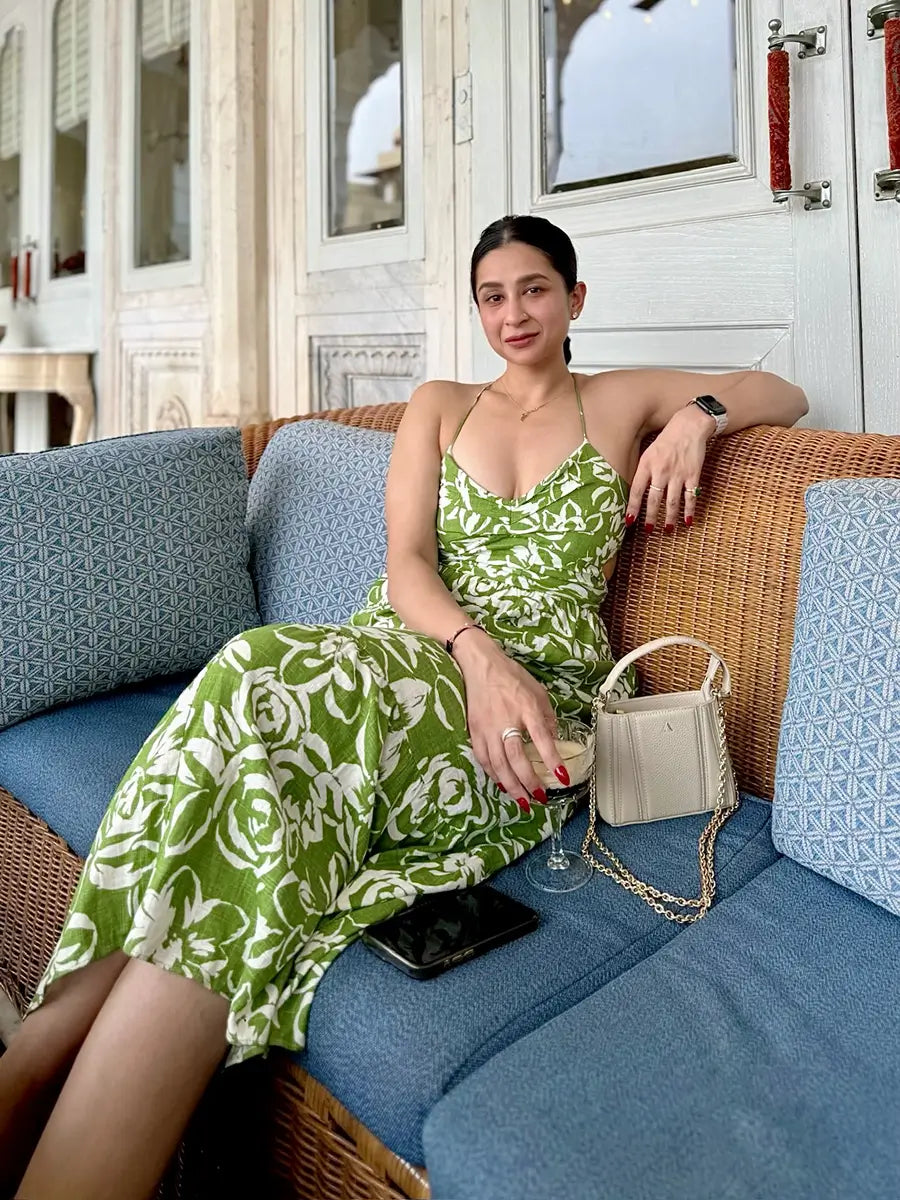


A well-designed structured handbag often sits at the intersection of function and style, especially for professionals who want something that feels polished without being impractical. The appeal of a designer-inspired structured handbag lies in its ability to elevate everyday outfits while still supporting the rhythm of work, meetings, travel, and after-hours plans. Rather than relying on logos or seasonal novelty, the strongest designs are defined by construction, proportion, and material integrity qualities that quietly signal refinement.
For style-conscious professionals across major urban centers, including fast-paced business environments, the structured handbag has become a dependable wardrobe anchor. It complements tailored workwear, transitions easily into social settings, and offers an understated expression of personal style. Understanding what makes these bags truly well-crafted helps buyers make choices that last beyond seasonal trends and impulse purchases.
Many luxury bags look polished online but disappoint in person, you're left with designs that fail to live up to their promise. Discover AKINNA : Italian-inspired silhouettes, full-grain pure leather, and handcrafted Indian artistry that doesn't compromise on sustainability and craftsmanship. AKINNA 's timeless style is made to be carried every day and kept for years. Shop Now!
What Defines a Designer-Inspired Structured Handbag
A structured handbag is primarily defined by its shape retention. Unlike softer silhouettes that collapse when empty, structured designs maintain their architectural form regardless of load. This quality creates a polished visual impression, especially in professional settings where presentation matters.
The idea of a designer-inspired version focuses less on replication and more on translating high-end design principles into accessible pieces. Clean lines, balanced proportions, and intentional detailing are central. Many premium-inspired designs draw from the same philosophy seen in high-end accessories, where form and function are treated as equally important rather than competing priorities.
When evaluating structured handbag features, buyers often notice that the most successful designs avoid unnecessary embellishment. Instead, they rely on silhouette strength, thoughtful compartmentalization, and durable construction techniques. These elements ensure that the bag feels considered rather than decorative.
Key Design Features That Signal Quality
The difference between an average bag and a well-crafted structured piece often lies in subtle construction choices. Reinforced edges, balanced weight distribution, and carefully aligned stitching all contribute to a sense of durability and precision.
Closures are another important indicator. Zippered tops, magnetic flaps, and secure locking mechanisms not only protect contents but also help maintain the bag's shape. Hardware should feel solid rather than lightweight or hollow, reinforcing the impression of longevity.
Interior organization also plays a functional role. Thoughtfully placed compartments allow users to separate work essentials from personal items, reducing clutter and improving usability throughout the day. In professional environments, this becomes particularly valuable when switching between meetings, commuting, and informal engagements.
These design principles align closely with the philosophy behind timeless designer handbag investments, where construction quality and long-term usability matter more than seasonal appeal.
When selecting a designer-inspired structured handbag, prioritizing silhouettes that balance sculptural form with everyday functionality stands out as a key consideration for long-term satisfaction. Softly structured designs, such as those with clean lines, zippered closures, and subtle hardware accents, offer a refined presence that transitions seamlessly from professional settings to casual outings. High-quality materials like supple calf leather or textured variants provide durability while developing character over time, ensuring the bag maintains its shape without becoming rigid or uncomfortable. Versatility plays a crucial role; options that can be carried as top-handle, shoulder, or crossbody styles adapt to various needs, from carrying daily essentials to serving as a polished accessory for events. Craftsmanship details, including even stitching, reinforced stress points, and thoughtful organization features like interior pockets, signal superior construction that resists wear. These elements contribute to better resale value and heirloom potential, as structured pieces often transcend fleeting trends. For those seeking accessible luxury, focusing on brands that emphasize heritage techniques and premium leathers allows for designer-inspired aesthetics at more approachable price points. Ultimately, evaluating a bag's ability to hold its form, complement multiple outfits, and withstand daily use helps consumers invest wisely in pieces that elevate their wardrobe while delivering practical performance year after year. Attention to color neutrality, such as rich neutrals or versatile blacks and browns, further enhances longevity, making the handbag a staple that feels both current and enduring.
Materials and Craftsmanship That Influence Longevity
Material selection is one of the most decisive factors in structured handbag quality. High-grade leather, especially full-grain or carefully treated calf leather, is often preferred for its durability and natural aging characteristics. Over time, quality leather develops a patina that enhances rather than diminishes its appearance.
Textured finishes also serve a functional purpose by resisting scratches and everyday wear. This is particularly relevant for professionals who use their handbags daily in dynamic environments, where friction and movement are unavoidable.
Craftsmanship details such as consistent stitching, reinforced stress points, and edge finishing determine how well a bag holds up under regular use. These elements may not always be immediately visible, but they become evident over time as the bag retains its structure and avoids deformation.
Well-crafted structured bags are designed to balance aesthetic appeal with resilience. This makes them suitable not just for occasional use but for sustained daily performance across different settings.
Versatility for Work, Travel, and Everyday Use
One of the most compelling reasons structured handbags remain popular is their adaptability. A single well-designed piece can transition across multiple scenarios without feeling out of place.
In professional settings, structured designs project clarity and organization, aligning well with tailored clothing and formal environments. During travel or commuting, capacity becomes equally important. Bags with balanced proportions can accommodate essentials such as notebooks, tablets, cosmetics, and personal items without appearing oversized or cumbersome.
Convertible carrying options such as top-handle, shoulder strap, or crossbody configurations add another layer of flexibility. This adaptability allows users to shift carrying styles depending on comfort or context, making the bag more functional throughout the day.
The growing appreciation for structured top-handle trends highlights how formality and practicality can coexist. These silhouettes offer a refined visual identity while remaining highly usable in everyday routines.
Design Trends Shaping Structured Handbags Today
Modern structured handbags are increasingly influenced by a balance between timeless design and subtle innovation. Rather than dramatic reinvention, designers are focusing on refining familiar silhouettes with small but meaningful updates.
Top-handle designs, for example, continue to gain traction due to their association with polished aesthetics and professional versatility. At the same time, soft updates such as tonal color variations, minimal hardware detailing, and refined proportions ensure that these bags remain relevant without becoming trend-dependent.
There is also a noticeable shift toward understated elegance. Instead of bold branding, many contemporary designs emphasize craftsmanship and material quality. This reflects a broader consumer preference for pieces that feel personal rather than overtly commercial.
For buyers exploring designer inspired structured handbag options, this trend direction reinforces the importance of choosing pieces that balance subtlety with strong construction. A well-designed bag should feel current without being tied too closely to a single season.
Structured handbags continue to hold relevance because they align with modern lifestyle demands. They offer order in design, clarity in function, and consistency in appearance qualities that resonate strongly with professionals managing dynamic schedules.
Rather than being viewed as purely fashion-driven items, these bags are increasingly treated as long-term wardrobe investments. Their ability to maintain form, support organization, and complement diverse outfits makes them a reliable choice for individuals who value both style and practicality.
As design continues to evolve, the core principles of structure, material integrity, and thoughtful craftsmanship remain unchanged. These are the elements that define enduring accessories and ensure that a handbag remains relevant well beyond seasonal shifts.
Frequently Asked Questions
What should I look for in a designer-inspired structured handbag?
When choosing a designer-inspired structured handbag, focus on shape retention, clean lines, and balanced proportions that maintain a polished silhouette. High-quality construction details such as reinforced edges, even stitching, and sturdy hardware are key indicators of durability. Interior organization and thoughtful compartment design also improve everyday functionality while maintaining a refined look.
Are structured handbags good for everyday work, travel, and casual use?
Yes, structured handbags are highly versatile and well-suited for work, travel, and everyday use due to their organized interiors and adaptable carrying options. Many designs feature top-handle, shoulder, or crossbody straps, allowing easy transitions between professional and casual settings. Their ability to maintain form while holding essentials makes them ideal for busy, on-the-go lifestyles.
What materials make a structured handbag durable and long-lasting?
High-quality materials such as full-grain leather or premium calf leather are commonly used in durable structured handbags. These materials resist wear while developing a natural patina over time that enhances their appearance. Combined with reinforced stitching and textured finishes, they help ensure the bag maintains its structure and longevity through daily use.
Disclaimer: The above helpful resources content contains personal opinions and experiences. The information provided is for general knowledge and does not constitute professional advice.
You may also be interested in: The Role of Artisan Skill in Modern Luxury Handbag Design
Many luxury bags look polished online but disappoint in person, you're left with designs that fail to live up to their promise. Discover AKINNA : Italian-inspired silhouettes, full-grain pure leather, and handcrafted Indian artistry that doesn't compromise on sustainability and craftsmanship. AKINNA 's timeless style is made to be carried every day and kept for years. Shop Now!
Powered by flareAI.co