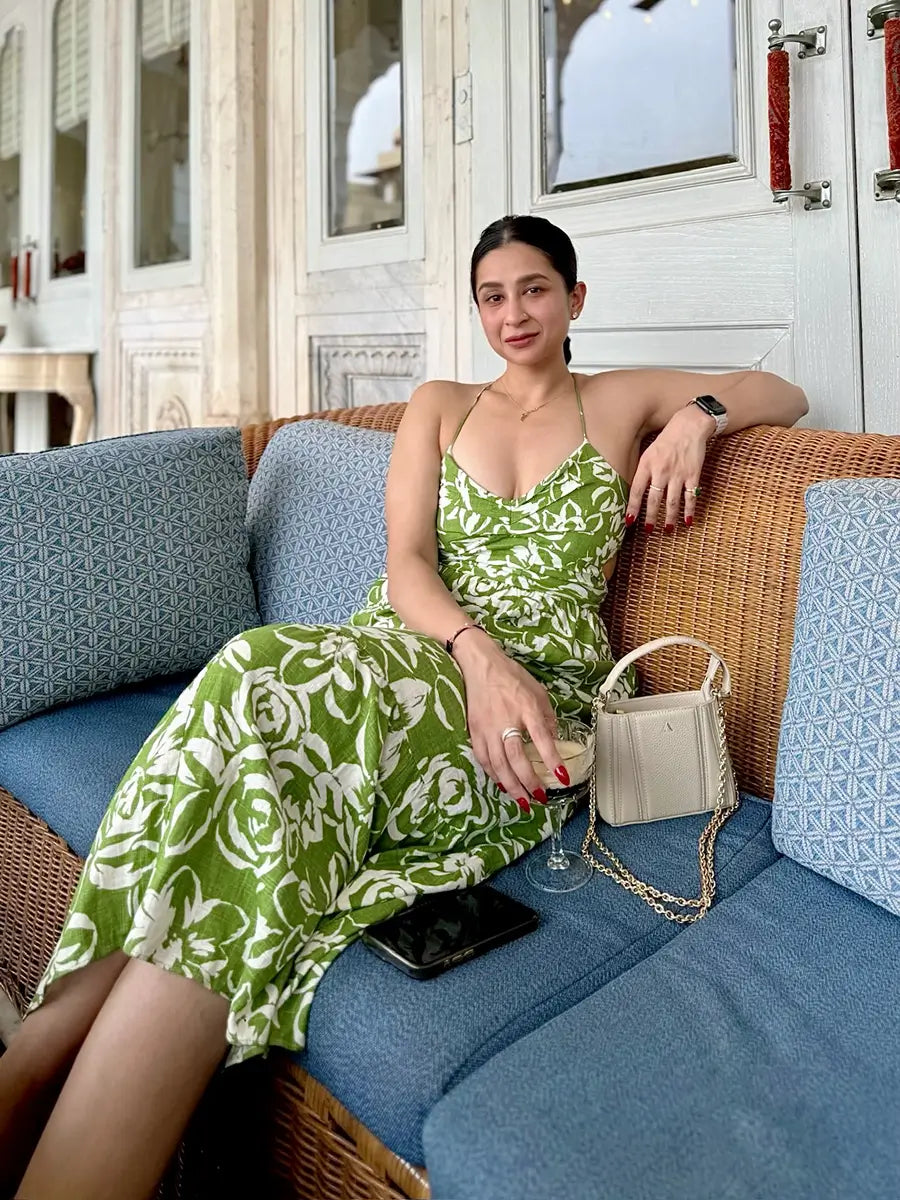


Why Leather Texture and Grain Make Every Handbag Unique is a question that goes beyond appearance. The surface of a leather handbag carries information about the material itself, from its natural structure to the techniques used to transform it into a finished accessory. Unlike uniform synthetic surfaces, leather has individual characteristics that influence how a bag looks, feels, and develops over time. Understanding leather texture and grain helps shoppers recognise the craftsmanship behind premium handbags and appreciate why each piece can have its own visual identity.
Many luxury bags look polished online but disappoint in person, you're left with designs that fail to live up to their promise. Discover AKINNA : Italian-inspired silhouettes, full-grain pure leather, and handcrafted Indian artistry that doesn't compromise on sustainability and craftsmanship. AKINNA 's timeless style is made to be carried every day and kept for years. Shop Now!
The Natural Character Behind Leather Texture and Grain
Leather begins as a natural material, and its texture is shaped by factors such as the structure of the hide, treatment methods, and finishing techniques. These elements create variations that are not imperfections but part of the material's identity. Natural grain patterns, subtle markings, and differences in texture contribute to the individuality of a handbag.
When designers and artisans work with leather, they make decisions about how much of the material's original character should remain visible. Some finishes highlight the natural surface, allowing grain patterns and textures to become a defining feature. Others create a smoother appearance while maintaining the strength and feel associated with quality leather.
This relationship between material and craftsmanship is what makes leather accessories different from products created from completely consistent manufactured surfaces. The texture becomes part of the design language, adding depth and personality to the final piece.
Understanding Different Types of Leather Texture
Different types of leather texture create different experiences for the person using a handbag. The surface finish affects the way light reflects from the material, how the bag feels in the hand, and how it develops character through regular use.
Full Grain Leather Characteristics
Full grain leather is valued for preserving much of the natural grain structure of the hide. The visible surface can include unique variations that reflect the original material. These characteristics often appeal to buyers who appreciate authenticity and the connection between natural materials and skilled workmanship.
The appeal of full grain leather characteristics comes from its ability to show individuality. Two handbags made from similar leather selections may still display different patterns, textures, and subtle details. These differences contribute to the sense that the finished product is distinct rather than identical to every other item.
How Finishing Influences Appearance
Leather finishing techniques can enhance certain qualities of the material. A refined finish may create a polished look, while a more natural approach may preserve visible grain and texture. The choice depends on the intended style, function, and design philosophy behind the accessory.
For consumers exploring different types of leather texture, understanding finishing processes makes it easier to recognise why handbags can vary in appearance even when they are made from the same general category of material.
Why Natural Variations Add Value to Handcrafted Handbags
Natural leather grain variations are one of the reasons handcrafted handbags have a distinctive character. These variations create a visual record of the material's origin and processing journey. Instead of treating differences as something to remove, many leather enthusiasts view them as signs of authenticity.
The leather goods industry is increasingly using transparency tools to help customers understand the journey of materials, including information about sourcing, production stages, and authenticity. This shift reflects a broader interest in knowing more about how products are made. Traceable leather innovation highlights how digital identification and traceability systems are helping connect customers with the story behind leather products.
For handbags, this understanding changes how people evaluate quality. A premium accessory is not only defined by its shape or design but also by the decisions made during material selection, preparation, and construction. Texture and grain become evidence of the craftsmanship involved in creating the final piece.
How Leather Texture Affects the Experience of a Handbag
The surface of leather influences more than visual appeal. It affects the sensory experience of carrying a handbag and contributes to how the accessory fits into everyday life. Texture can determine whether a bag feels smooth and refined, structured and substantial, or soft and naturally relaxed.
For many buyers, these qualities influence long-term appreciation. A handbag that develops a richer appearance with use can become more personal over time. Small changes in the surface, such as the way the leather softens or gains character, create a connection between the owner and the item.
This is one reason leather craftsmanship techniques remain important in luxury accessories. Skilled makers consider how the material will behave beyond the moment of purchase. The goal is not only to create an attractive product but also to create an accessory where material quality remains part of the experience.
Craftsmanship, Transparency, and the Story Behind Each Piece
Modern consumers are increasingly interested in the story behind the products they purchase. They want to understand where materials come from, how items are produced, and what makes one piece different from another. In leather accessories, this interest has placed greater attention on the relationship between material choice and craftsmanship.
Greater supply chain transparency is changing how shoppers understand authenticity in fashion products. Information about materials, processing, and production methods can help consumers appreciate why handcrafted leather products may have unique appearances. Leather supply chain transparency is becoming an important part of how brands communicate the journey behind their products.
For a handbag, every stage matters. The selection of leather, the treatment of the surface, the construction methods, and the finishing details all influence the final result. These elements combine to create an accessory that reflects both the natural qualities of the material and the expertise of the people who work with it.
What Buyers Should Look for When Choosing a Leather Handbag
Recognising quality leather does not require technical expertise, but understanding a few key characteristics can help buyers make more informed choices. Texture, grain, finish, and construction details all provide clues about the nature of a handbag.
- Examine the grain: Natural grain patterns and subtle variations can indicate the unique character of the leather.
- Consider the texture: The feel of the surface can reveal how the leather has been treated and finished.
- Look at craftsmanship details: Stitching, structure, and finishing choices contribute to the overall quality of the accessory.
- Understand material behaviour: Quality leather often changes with use, developing a character that reflects the owner's journey.
These considerations help shift the focus from simply choosing a handbag based on appearance to understanding the material decisions that create its identity.
The Lasting Appeal of Unique Leather Accessories
The uniqueness of a leather handbag comes from the relationship between nature and craftsmanship. Grain patterns, surface textures, and finishing choices work together to create details that cannot be perfectly replicated. This individuality is one of the qualities that continues to attract people to leather accessories.
As shoppers become more interested in authenticity and product stories, understanding leather texture and grain provides a deeper appreciation of what goes into creating a handbag. The material itself becomes part of the design, carrying characteristics that make each piece different.
For brands focused on premium leather handbags and accessories, educating customers about these details creates a more meaningful connection with the product. When buyers understand the role of craftsmanship and natural variation, they can better appreciate why a carefully made leather handbag is more than a functional item it is a reflection of material quality, design choices, and skilled workmanship.
Frequently Asked Questions
What makes leather texture and grain important in a handbag?
Leather texture and grain reveal the natural character of the material and influence how a handbag looks, feels, and develops over time. Natural variations in grain patterns and surface details make each piece distinctive and contribute to its craftsmanship and authenticity.
What are the different types of leather texture used in handbags?
Different types of leather texture are created through variations in the hide structure, finishing methods, and treatment techniques. Full grain leather characteristics, natural grain patterns, and refined finishes each create different appearances and experiences for handbag owners.
How do natural leather grain variations make handbags unique?
Natural leather grain variations create individual markings and textures that cannot be perfectly replicated from one handbag to another. These differences reflect the material's journey and help buyers appreciate the craftsmanship, quality, and individuality behind premium leather accessories.
Disclaimer: The above helpful resources content contains personal opinions and experiences. The information provided is for general knowledge and does not constitute professional advice.
You may also be interested in: How AKINNA Combines Indian Craftsmanship With Modern Luxury
Many luxury bags look polished online but disappoint in person, you're left with designs that fail to live up to their promise. Discover AKINNA : Italian-inspired silhouettes, full-grain pure leather, and handcrafted Indian artistry that doesn't compromise on sustainability and craftsmanship. AKINNA 's timeless style is made to be carried every day and kept for years. Shop Now!
Powered by flareAI.co