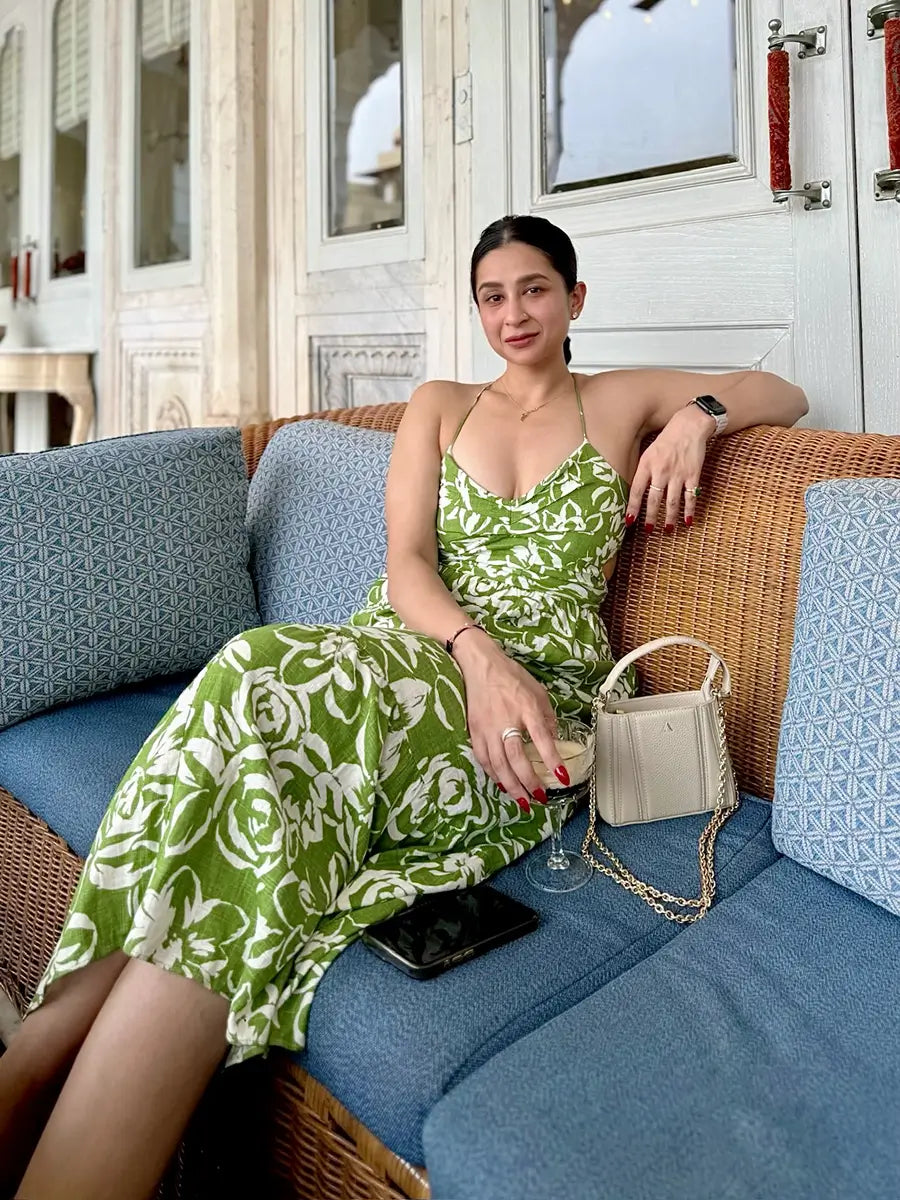


Choosing a handbag that maintains its shape is less about following trends and more about understanding how design, materials, and construction work together. A structured bag doesn't just look polished on day one it retains its silhouette through daily use, adapting to your lifestyle without collapsing or losing form. For many buyers, especially those investing in long-term wardrobe pieces, structure becomes the defining factor between an accessory that simply carries items and one that elevates an entire outfit.
Timeless handbag silhouettes emphasize structured designs that combine sculptural proportions with enduring craftsmanship, ensuring they hold their shape as reliable wardrobe staples. Investment pieces featuring softly structured or architectural forms, often crafted from premium leathers, deliver versatility across occasions while resisting the tendency to lose definition. Key considerations include evaluating how materials and construction techniques contribute to form retention, such as reinforced panels or quality hides that balance suppleness with firmness. These designs serve multiple purposes, from daily carryalls to statement accessories, without compromising on elegance or practicality. Shoppers should assess purpose, material preferences like smooth or textured leather, and compatibility with existing wardrobes to select bags that offer long-term value. Structured options stand out for their ability to maintain a refined profile, making them suitable for both casual and formal settings. By focusing on heritage techniques and thoughtful details, such bags become future heirlooms that enhance personal style consistently. Versatility remains essential, with features like adjustable straps or convertible elements adding functionality without sacrificing the core shape. In an evolving fashion landscape, prioritizing construction that supports structural integrity helps avoid fleeting trends, favoring pieces that improve with age and use. This approach to selection ensures handbags not only complement outfits but also deliver dependable performance, underscoring the importance of material and design synergy for lasting satisfaction.
Why handbag structure defines long-term style
The appeal of a structured handbag lies in its ability to maintain visual clarity. When a bag holds its shape, it naturally looks more intentional and refined, even when it is fully packed. Fashion commentary often highlights how structured silhouettes are designed with sculptural proportions that resist sagging and deformation over time. As noted in structured handbag design insights, these silhouettes combine craftsmanship and reinforced form to create accessories that remain dependable wardrobe staples.
This consistency matters because handbags are used daily and exposed to varying levels of weight and pressure. A well-structured design ensures that the bag does not lose its intended outline, whether it is placed on a desk, carried through commuting, or stored between uses. Over time, this stability becomes part of its aesthetic value, allowing the bag to age gracefully rather than deteriorate visually.
Materials that help handbags hold their shape
Material selection plays a central role in determining whether a handbag maintains its structure. Leather, particularly higher-grade varieties, is widely used for structured designs due to its natural strength and ability to resist slouching. Full-grain leather is especially valued because it preserves the outer layer of the hide, offering durability that supports shape retention even under daily strain.
As highlighted in leather durability guidance, premium leather types not only withstand wear but also develop character over time without compromising structural integrity. This balance of flexibility and firmness is what allows structured handbags to remain upright and polished even when they carry heavier essentials such as laptops or daily work items.
Beyond leather, modern handbag construction may incorporate reinforced composites or treated fabrics that help maintain rigidity. The goal is always the same: to create a controlled level of stiffness that prevents collapse while still allowing comfortable use.
Construction techniques that preserve form
Even the best materials require thoughtful construction to maintain shape. Structured handbags typically rely on reinforced panels, internal frameworks, or layered stitching techniques that distribute weight evenly. These internal supports prevent the base from sagging and help the bag maintain clean lines from every angle.
Heritage craftsmanship often plays a role here, where attention to stitching density, edge finishing, and internal lining contributes directly to durability. Bags designed with these techniques tend to avoid the “soft collapse” effect seen in less structured alternatives, especially after repeated use.
Another important aspect is panel segmentation. By dividing the bag into structured sections rather than a single flexible compartment, designers ensure that pressure from contents is absorbed evenly, preserving the intended silhouette.
Design features that support everyday structure
Beyond materials and internal build, external design features also influence how well a handbag holds its shape. Flat reinforced bases are particularly important, as they prevent the bag from tipping or folding when placed on surfaces. Metal feet are another subtle but effective feature, lifting the base slightly and reducing wear while supporting structural balance.
Handles and straps also play a role. Poorly attached or overly flexible straps can distort a bag's form over time, while well-anchored designs distribute weight more evenly across the frame. Zippers, clasps, and closures further contribute by securing the top line, preventing unwanted expansion or sagging during use.
These design details may seem minor individually, but together they create a cohesive system that ensures the handbag retains its intended architecture throughout its lifecycle.
Choosing the right structure for your lifestyle
Understanding how to choose a structured handbag also means considering how it fits into daily routines. A professional who carries tech devices and documents may prioritize rigid designs with reinforced compartments, while someone who prefers lighter essentials might opt for semi-structured silhouettes that offer flexibility without losing form entirely.
Structured tote-style bags are often favored for work environments because they balance practicality with a polished appearance. Meanwhile, smaller structured crossbody designs offer portability without sacrificing visual definition. The key is aligning internal capacity and external rigidity with real usage patterns.
In every case, the goal remains consistent: selecting a handbag that supports both function and form without compromising either.
How to evaluate structure before buying
When assessing a handbag, structure can often be identified through simple observation techniques. A well-structured bag will stand upright on its own without collapsing inward. Its sides should feel firm but not overly rigid, and the base should remain flat even when lightly pressed.
Another practical test is to observe how the bag responds when partially filled. If it maintains its outline without bulging excessively, it is likely built with internal reinforcement. On the other hand, excessive flexibility often signals a softer construction that may lose shape over time.
Online shoppers can rely on product imagery and description cues such as “reinforced base,” “structured silhouette,” or “architectural design” to gauge quality before purchase. These indicators often reflect intentional construction choices that prioritize long-term form retention.
Maintaining handbag shape over time
Even a well-structured handbag benefits from proper care. Storage plays a critical role keeping the bag upright and filled with soft inserts helps preserve its silhouette when not in use. Avoiding overloading is equally important, as excessive weight can gradually distort even reinforced designs.
Regular cleaning and conditioning (for leather bags) also contribute to structural longevity by preventing material drying or cracking, which can weaken form over time. Rotating usage between bags can further extend lifespan, ensuring that no single piece is subjected to constant strain.
With thoughtful care, a structured handbag can maintain its intended form for years, becoming not just an accessory but a consistent part of personal style.
Structure Defines Lasting Elegance
A handbag that holds its shape is the result of deliberate choices in material, construction, and design. From reinforced leather builds to carefully engineered internal frameworks, structure is what transforms a simple carry item into a long-term style investment. Understanding these elements allows buyers to make more confident decisions, ensuring that their handbag not only complements their wardrobe today but continues to do so over time with enduring elegance and form.
Frequently Asked Questions
How do you choose a handbag that holds its shape and stays structured over time?
To choose a handbag that holds its shape, focus on structured silhouettes with reinforced construction rather than soft, unstructured designs. Look for features like flat bases, internal frameworks, and firm side panels that prevent sagging. A well-structured handbag should maintain its silhouette even when fully packed, making it both a functional and polished long-term lasting wardrobe piece.
What materials help a structured handbag maintain its shape?
Premium materials like full-grain leather are key to a handbag that maintains its structure because they offer both durability and natural firmness. These leathers resist slouching while still developing character over time. Some modern designs also use reinforced composites or treated fabrics to enhance rigidity without sacrificing usability.
How can you tell if a handbag will keep its shape before buying it?
Before buying a structured handbag, check whether it can stand upright on its own and whether the base stays flat under light pressure. Product descriptions mentioning terms like 'reinforced base' or 'structured silhouette' are strong indicators of shape retention. You can also assess product images to see if the bag maintains clean lines even when partially filled.
You may also be interested in: Emerging Expectations for Transparency in Fashion Supply Chains
Choose by design. Consider the details.
Begin with the silhouette that feels right for you, then consider how it works: capacity, closure, strap options and the way it sits against the body. AKINNA brings this balance of form and everyday use to its structured leather bags.