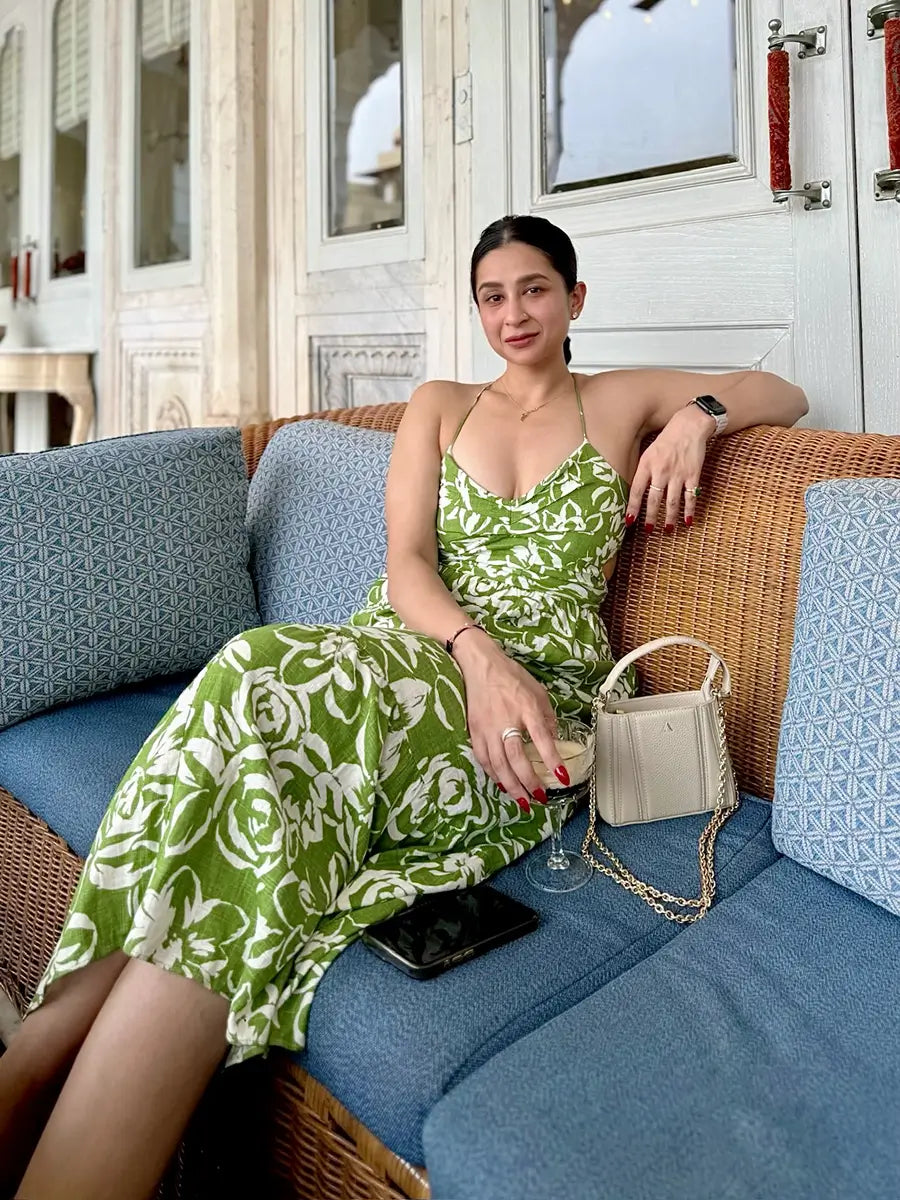


In the bustling lanes of Mumbai, the crowded markets of New Delhi, or the tech-driven streets of Bangalore, Hyderabad, and Pune, a quiet shift is happening in how people discover and choose leather goods. Shoppers who once relied on touching supple full-grain leather in stores now scroll through Instagram feeds, pausing at images of handbags and accessories that promise refined style without the eye-watering prices of big luxury names. Yet doubts linger: Does that beautiful photo translate to real quality? Can an online brand truly deliver craft and story at an approachable price?
That tension sits at the heart of today's leather market. The industry continues to expand steadily, with Asia Pacific remaining a powerhouse region. Yet for many consumers in India's major cities, the decision to buy often hinges less on raw numbers and more on whether visuals build trust or create distance.
The Challenge of Seeing Before Touching
Leather is tactile by nature. Its appeal lies in the feel of full-grain hide, the subtle variations in texture, and the way light plays across a well-finished surface. When buyers encounter products first through ads on social media those crisp, perfectly lit shots from profiles like ashuti23, __palakjain__, vidithavenkataramu, priyankapatil251190, or mohanarakshitshahri they form quick impressions. But clicking through to a website can sometimes disappoint. The product may look flatter, less inviting, or simply disconnected from the emotional pull of the original image.
This gap is one of the most common objections for brands offering quality at accessible price points. Shoppers wonder if the leather is truly full-grain and pure, or if the design will hold up beyond the screen. They hesitate because they lack the sensory cues they trust from physical stores.
How Visual Presentation Has Evolved
Forward-thinking brands have responded by rethinking every layer of how leather products are shown online. It starts with photography that goes beyond basic product shots. Detailed close-ups reveal the natural grain, precise stitching, and edge finishing that signal genuine craftsmanship. Lifestyle images place the bag or wallet in real moments draped over a shoulder during a busy day in Pune or resting on a café table in Hyderabad helping viewers imagine ownership.
Lighting plays a crucial role. Soft, directional light brings out the depth and warmth of leather without harsh glare. Angles that show movement and flexibility demonstrate suppleness rather than stiffness. Brands now invest in video as well: short clips of a hand running across the surface or a bag opening smoothly convey texture and functionality that static images alone cannot.
Bridging the Gap Between Ad and Reality
The most effective presentations maintain consistency from the first Instagram glimpse to the product detail page. Colors stay true across devices. Descriptions pair with visuals to tell the material's story how the full-grain leather was selected for its durability and natural beauty, and why the design feels fresh yet timeless. This approach directly addresses the concern that a product might look less attractive once seen up close on the website.
For consumers already familiar with Coach, Michael Kors, or Kate Spade, the visuals need to signal refinement without excess. Clean, elegant compositions highlight unique design elements perhaps a subtle pattern or thoughtful hardware while keeping the focus on quality rather than flash. The goal is to position the piece as a smart portfolio expansion: something that complements existing collections with superior craft at a more reasonable price.
Unique Differentiators That Visuals Can Amplify
What sets certain leather goods apart is rarely one single feature. It is the combination of 100% pure full-grain leather offered at price points that feel fair, paired with designs that catch the eye through thoughtful originality. Visual presentation brings these differentiators to life:
- Material honesty: Macro shots that celebrate natural grain variations and avoid heavy filtering show authenticity rather than perfection.
- Design distinction: Creative compositions that highlight unique silhouettes or details invite viewers to appreciate the thought behind each piece.
- Value storytelling: Images and captions together explain why the quality justifies the price durable construction, careful sourcing, and a focus on lasting wear rather than seasonal trends.
Shoppers drawn to these elements often seek more than a functional accessory. They want items that carry a quiet story of craftsmanship, something that feels personal and considered.
Addressing the Objections Head-On
Many potential buyers pause because they lack easy ways to judge quality online. Strong visual strategies tackle this directly. Multiple angles, zoomable images, and comparison views against everyday objects help establish scale and texture. Some brands include simple videos of the leather bending or hardware operating, giving a sense of real-world performance.
Another frequent hesitation involves connecting with the brand itself. Visuals that weave in elements of the making process perhaps subtle nods to sourcing or artisan care help build that emotional link without overt sales language. When the presentation feels transparent and human, doubts about whether the product matches the promise begin to fade.
The Role of Regional Context in India
In cities like Mumbai, New Delhi, Bangalore, Hyderabad, and Pune, consumers navigate a blend of global influences and local sensibilities. They appreciate international standards of finish and design but also value accessibility. Visual presentations that respect this balance showing products in familiar urban settings or paired with everyday Indian fashion create stronger resonance. A bag that looks at home during a client meeting or a weekend outing feels more relatable than one staged in abstract studio perfection.
This localized approach helps overcome the sense of disconnection that can occur when global luxury aesthetics dominate without cultural grounding.
Practical Insights for Better Connection
Improving visual presentation does not require flashy technology for every brand. Small, consistent steps often yield the biggest gains:
- Use natural light and varied angles to reveal true leather characteristics.
- Ensure website images load quickly and maintain color accuracy.
- Pair visuals with concise, benefit-focused text that reinforces quality and uniqueness.
- Include real-user context where possible to show how pieces integrate into daily life.
These changes help transform passive scrolling into active consideration, turning initial attraction into confident purchase decisions.
Market Context and Lasting Trust
The leather goods sector is experiencing steady growth, particularly in Asia Pacific, which holds a dominant position in global revenue. This expansion reflects rising demand for quality accessories that balance craftsmanship with accessibility. In practice, this means more consumers in key Indian cities are exploring online options, seeking pieces that deliver genuine value without compromising on material integrity or design appeal.
Looking Ahead: Visuals That Build Lasting Trust
As more shoppers in India's key urban centers discover leather goods online, the brands that thrive will be those that close the gap between digital promise and physical reality. Thoughtful, honest visual presentation does more than sell a product it invites connection with the material, the design, and the care behind it.
For those seeking refined leather options that honor full-grain quality and unique character without extravagant costs, the evolution in how products are shown online makes all the difference. It turns doubt into discovery and hesitation into a sense of finding something that truly fits one carefully composed image at a time.
In the end, great leather speaks for itself. The role of today's visuals is simply to let it be heard clearly, even through a screen.
Frequently Asked Questions
How can online leather goods brands build trust with shoppers who can't touch products before buying?
Online leather brands can build trust by investing in high-quality photography that includes detailed close-ups of natural grain, stitching, and edge finishing. Short videos showing the leather bending or hardware in use help convey texture and functionality that static images can't. Maintaining visual consistency from social media ads through to product detail pages with accurate colors and honest descriptions is key to closing the gap between digital promise and physical reality.
What makes full-grain leather products worth buying online vs. in a physical store?
Full-grain leather offers superior durability and natural beauty, and today's brands are finding effective ways to showcase these qualities digitally. Through macro photography that celebrates authentic grain variations, lifestyle imagery in real urban settings, and benefit-focused descriptions, shoppers can assess craftsmanship and value without handling the product. When visual presentation is honest and thorough including multiple angles and zoomable images online purchases of full-grain leather goods can be made with confidence.
Why is localized visual presentation important for leather goods marketing in Indian cities like Mumbai, Bangalore, and Hyderabad?
Indian urban consumers blend global style sensibilities with local cultural context, so leather goods shown in relatable, familiar settings a client meeting in Bangalore or a weekend outing in Pune resonate more strongly than abstract studio shots. Localized lifestyle imagery helps shoppers visualize how a product fits into their actual daily lives, reducing hesitation and building a stronger emotional connection with the brand. This approach bridges the gap between international design standards and the accessibility that Indian buyers in major metros increasingly seek.
You may also be interested in: The Elements of AKINNA
Material in service of form
AKINNA pairs full-grain calf leather with defined silhouettes. A pebbled or croc-textured finish changes the surface expression; proportion, panelling and the way a bag is carried shape its character. Read the material and size details for the individual design.